

Poulies





-

Lewmar - Poulie Synchro - 50 mm (2")
33,01 $ - 114,79 $ -

Lewmar - Poulie Synchro - 90 mm (3 1/2")
169,78 $ - 200,80 $ -


Barton - Organisateur de Pont Taille 2
89,87 $ - 216,41 $ -

Spinlock - Organisateur de Pont pour Bateau de Taille Moyenne
83,90 $ - 204,34 $ -
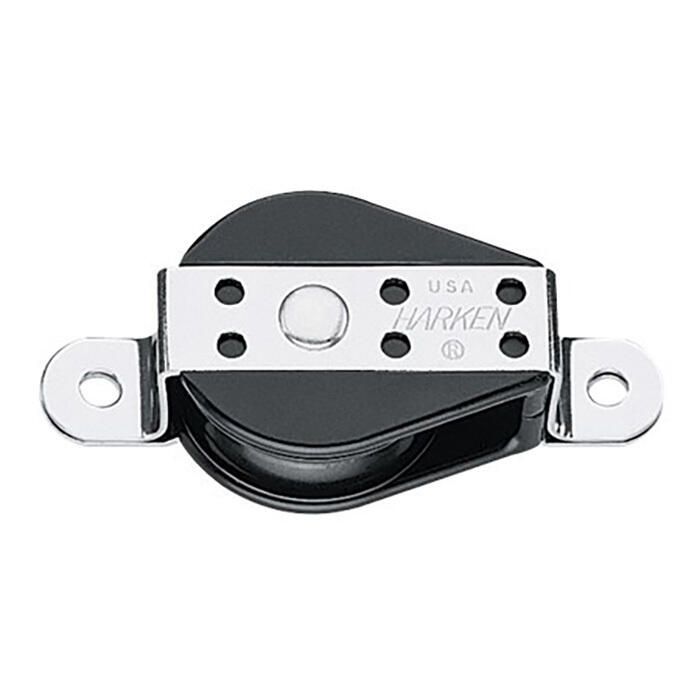
Harken - Grande Poulie Latérale Bullet - 38 mm (1 1/2") - 132
62,62 $ -

Wichard - Guide-Cordage pour Chandelier - 20120
34,63 $ -
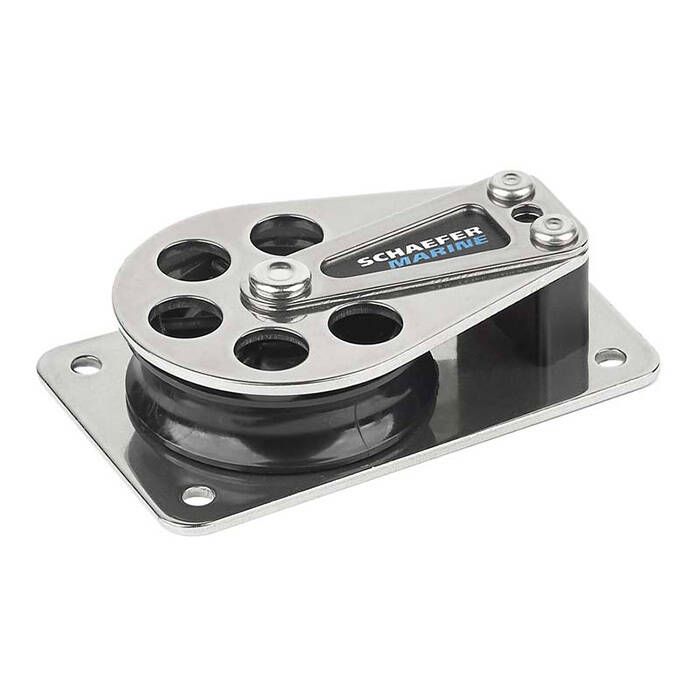
Schaefer - Poulie Latérale Série 5 - 505-11
147,22 $ -

Schaefer - Poulie de Guidage d'Enrouleur à Pince pour Balcon - 500-35
344,62 $ -
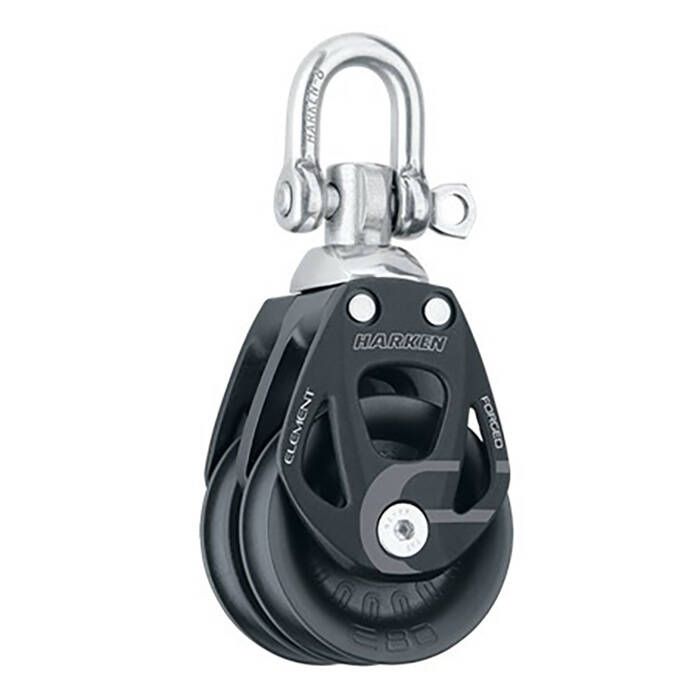
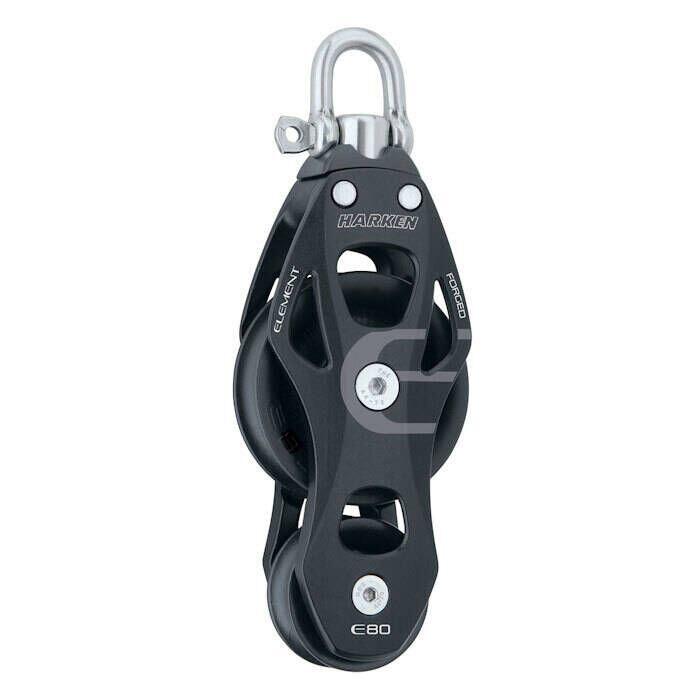
Harken - Poulie Double en Aluminium Element avec Émerillon - 80 mm (3 1/8") - 6296
311,80 $ -

Harken - Poulie Fixe en Aluminium Element - 80 mm (3 1/8") - 6280
474,85 $ -
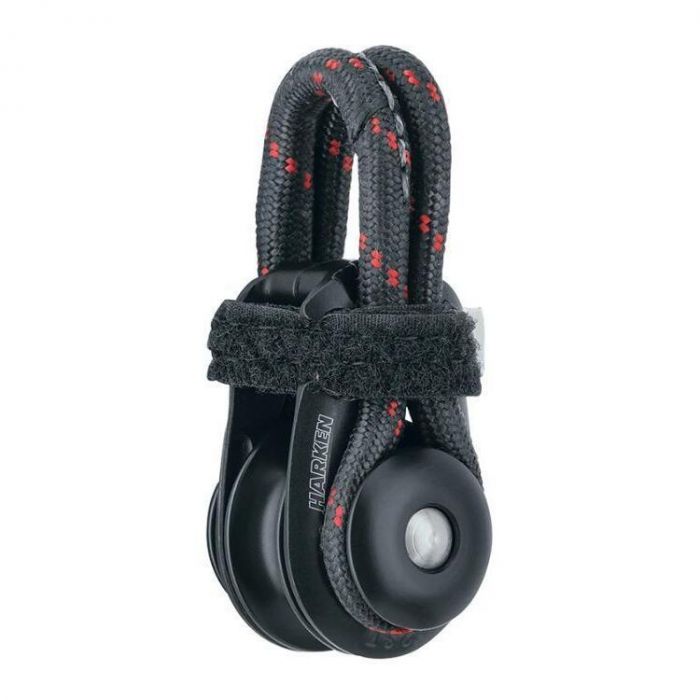
Harken - Poulie Violon Haute Charge 2,3T - 3299
659,00 $ -

Ronstan - Poulie Core Série 60 - 60 mm (2 3/8") - RF64100
156,64 $ -

Harken - Bloc Carbo Air - 57 mm (2 1/4") - 2615
224,72 $ -
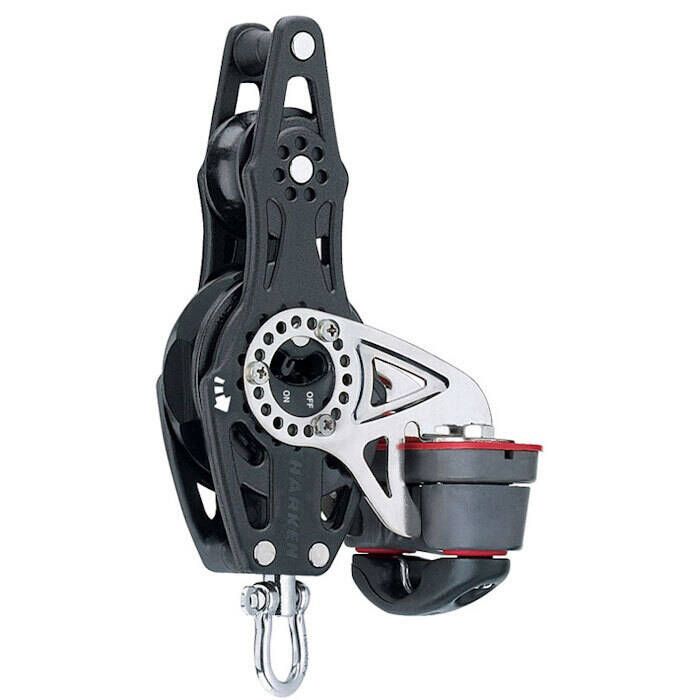
Harken - Poulie Violon à Cliquet Carbo Air - 75 mm (2 15/16") - 2697
385,46 $ -

Harken - Poulie Double de Gamme Moyenne - 76 mm (3") - 1544
395,33 $ -
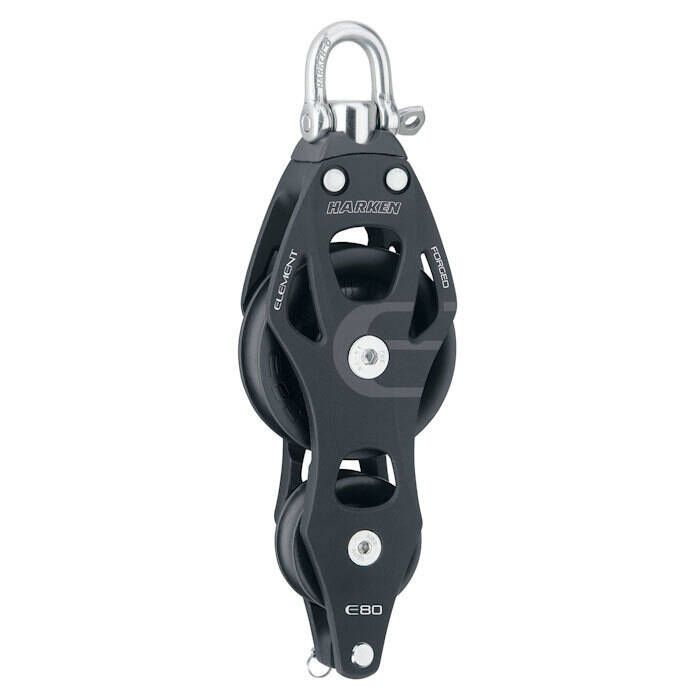
Harken - Poulie Violon en Aluminium Element avec Émerillon et Filoir - 80 mm (3 1/8") - 6293
265,11 $ -

Harken - Poulie de Pied Forte Charge Black Magic - 57 mm (2 1/4") - 3220
333,29 $ -

Schaefer - Organisateur de Pont - 504-30
331,93 $ -
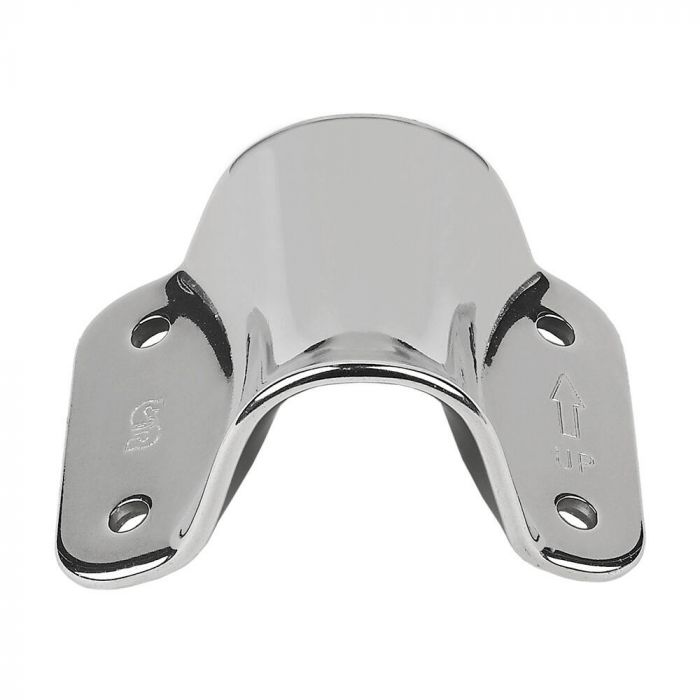
Schaefer - Retenue de Drisse
40,06 $ - 66,87 $ -

Lewmar - Poulie Violon Synchro - 90 mm (3 1/2")
224,77 $ - 430,65 $ -

Harken - Micro Poulie Violon avec V-Jam - 22 mm (7/8") - 244
62,57 $ -

Harken - Bloc de Joue Ratchamatic - 57 mm (2 1/4") - 2633
176,78 $ -

Harken - Poulie Violon Carbo Air - 57 mm (2 1/4") - 2621
95,00 $ -
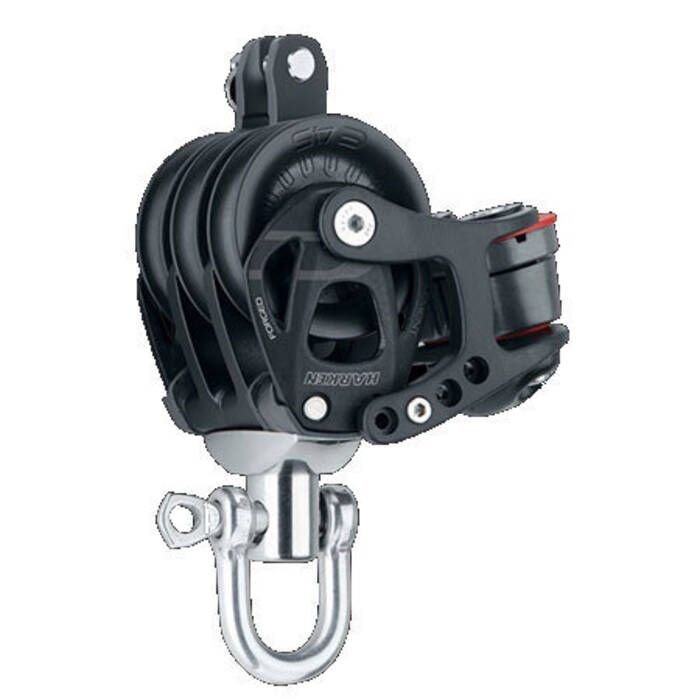
Harken - Poulie Élément en Aluminium - 60 mm (2 3/8") - 6275
360,50 $ -
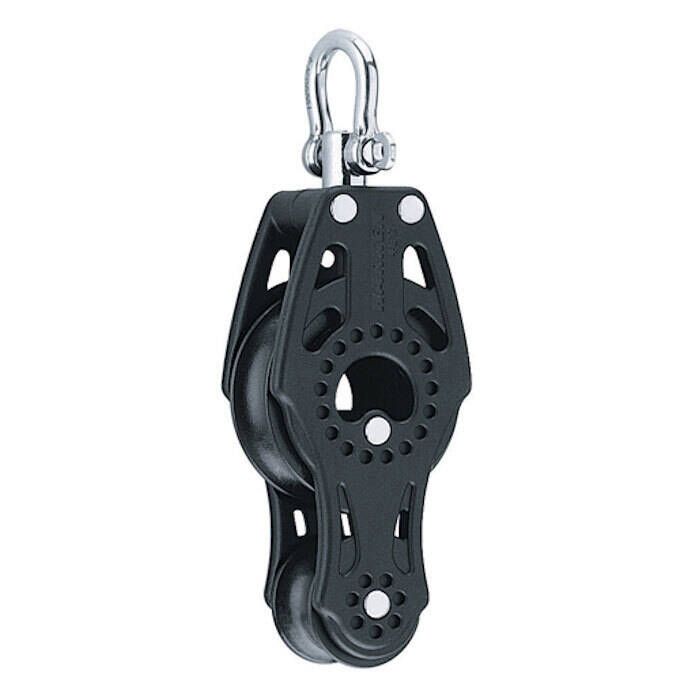
Harken - Poulie Violon Carbo Air - 75 mm (2 15/16") - 2690
165,50 $ -

Schaefer - Poulie de Joue Série 3 - 303-09
100,69 $ -
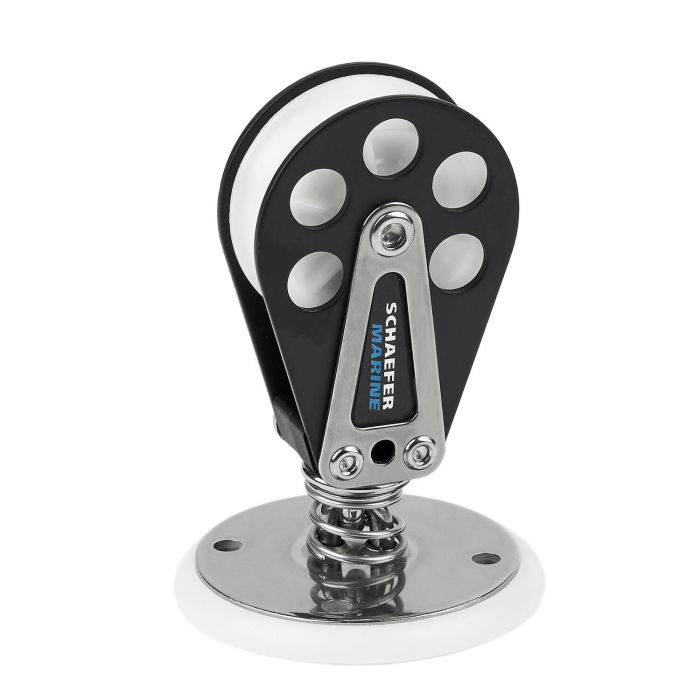
Schaefer - Poulie Pivotante Verticale Série 7 - 704-62
310,78 $ -

Lewmar - Poulie de Pied Synchro - 90 mm (3 1/2")
162,73 $ - 195,16 $ -
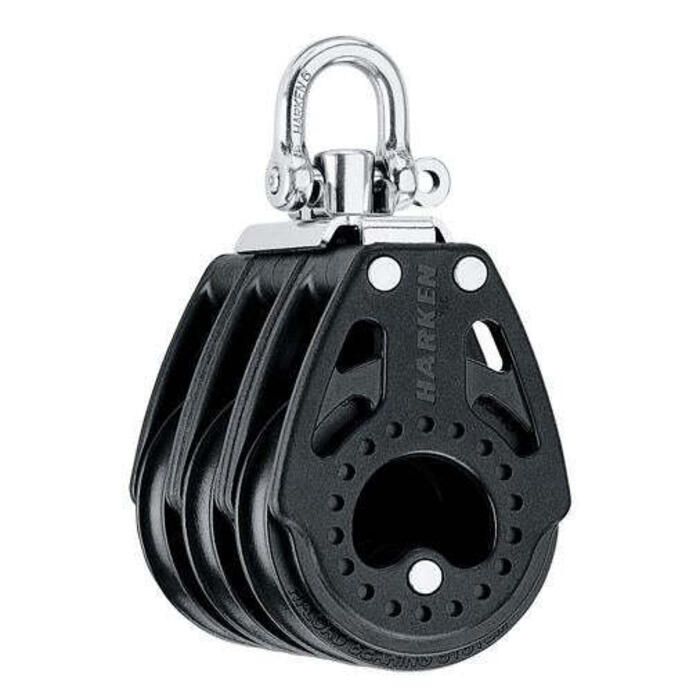
Harken - Poulie Triple Carbo avec Émerillon - 75 mm (2 15/16") - 2664
396,74 $ -
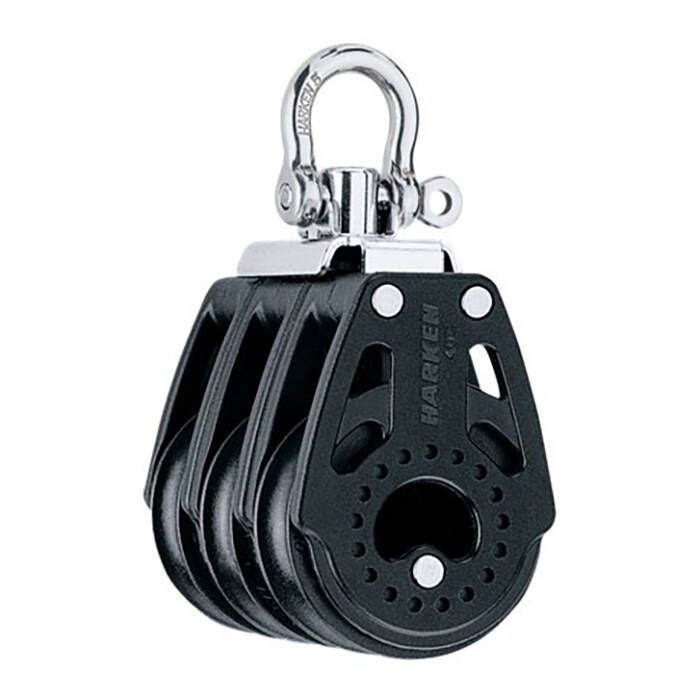
Harken - Bloc Triple Carbo Air - 40 mm (1 9/16") - 2640
203,57 $ -
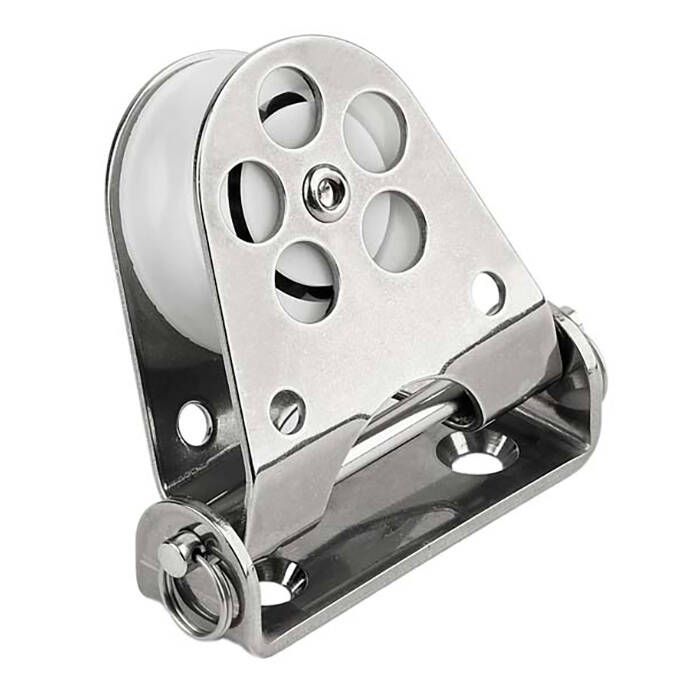
Schaefer - Poulie de Renvoi Articulée - 300-32
258,61 $ -

Lewmar - Poulie Ouvrante Taille 1 - 19810600
365,77 $ -
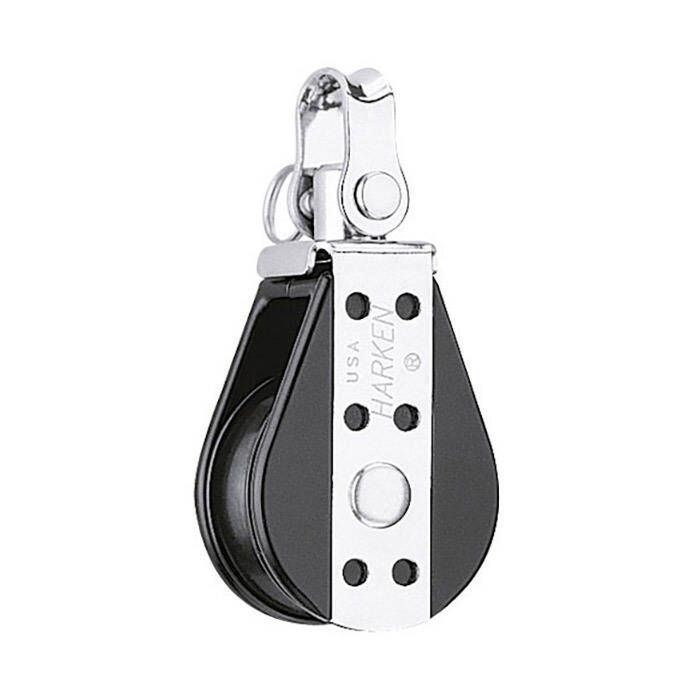
Harken - Grande Poulie Bullet - 38 mm (1 1/2") - 168
69,62 $ -
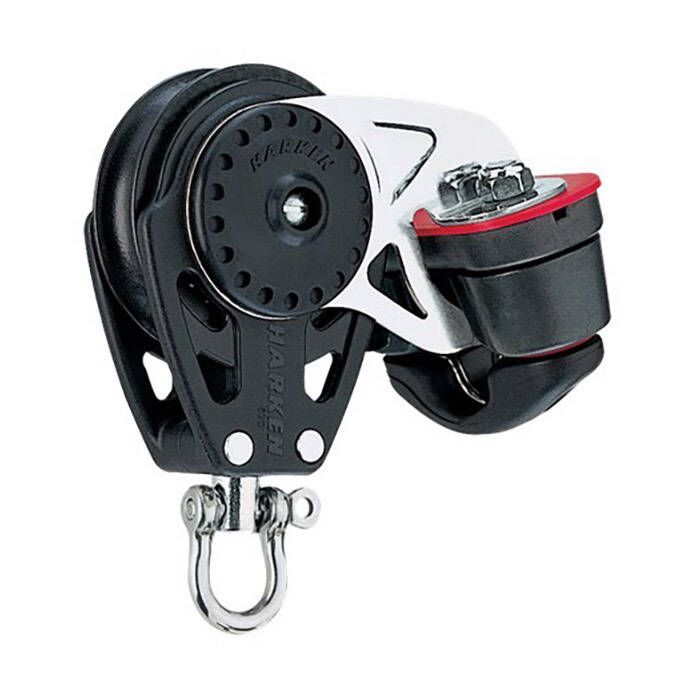
Harken - Bloc Carbo Air - 40 mm (1 9/16") - 2645
176,78 $ -
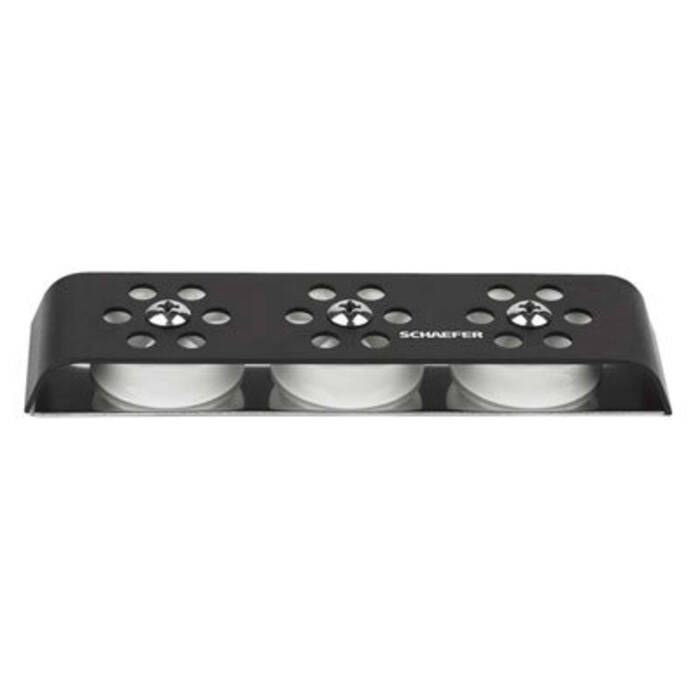
Schaefer - Organisateur de Pont - 704-81
362,95 $ -
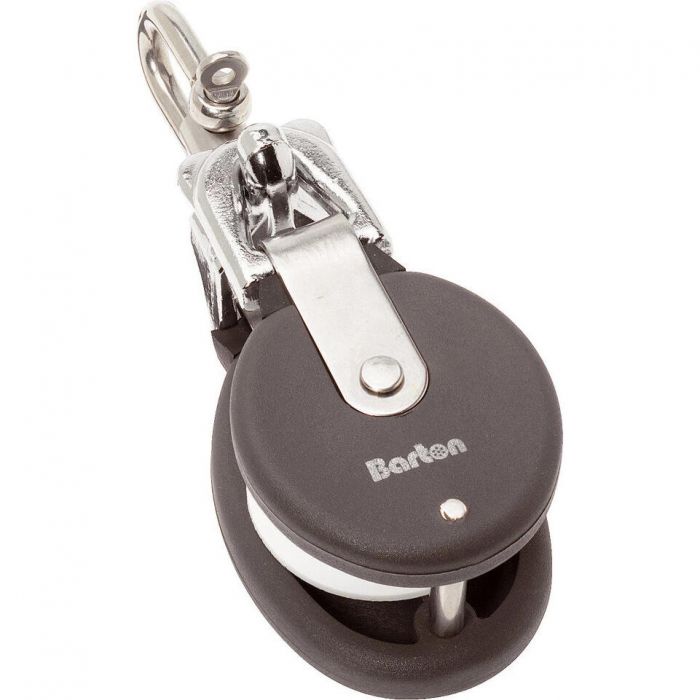
Barton - Poulie Winch Moyenne - 48 mm (1 7/8") - 90401
216,47 $ -
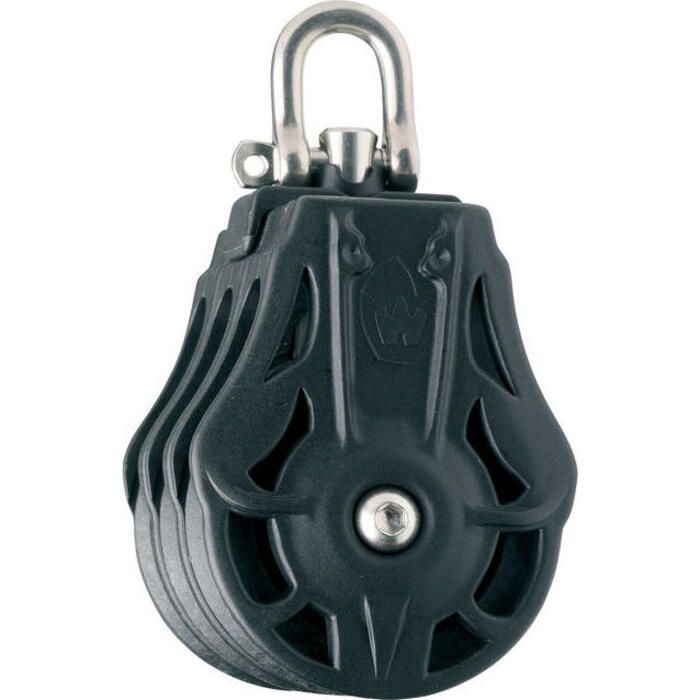
Wichard - Poulie Triple à Palier Lisse - 70 mm (2 3/4")
312,84 $ - 375,11 $ -
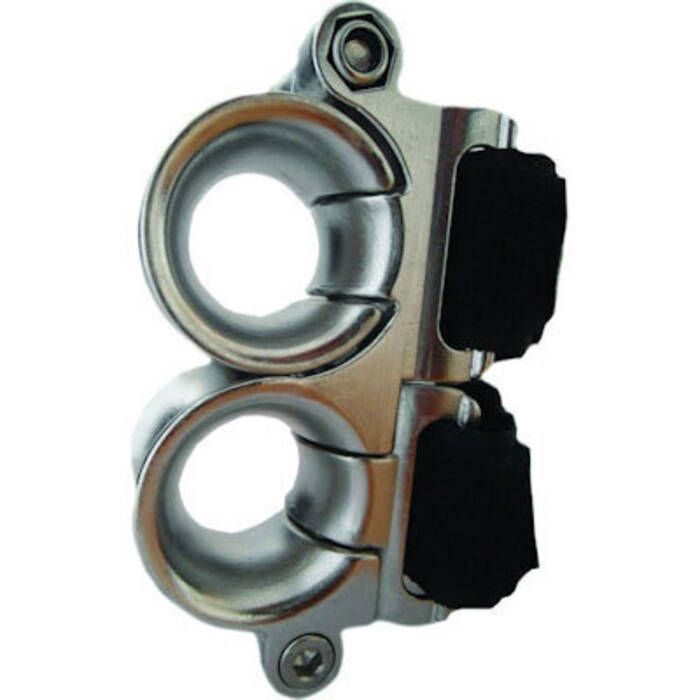
Wichard - Guide-Cordage pour Chandelier pour Ligne Continue - 20220
108,66 $ -
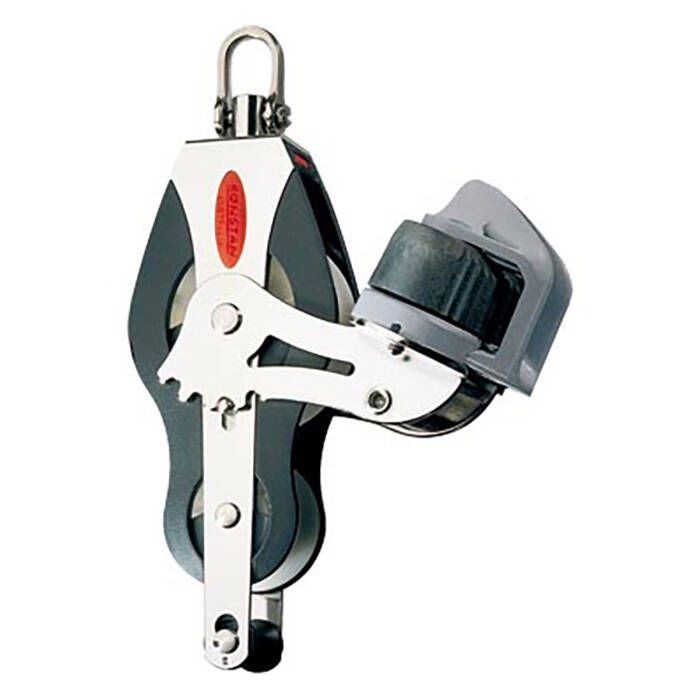
Ronstan - Poulie Violon Série 50 - RF51530
189,12 $ -
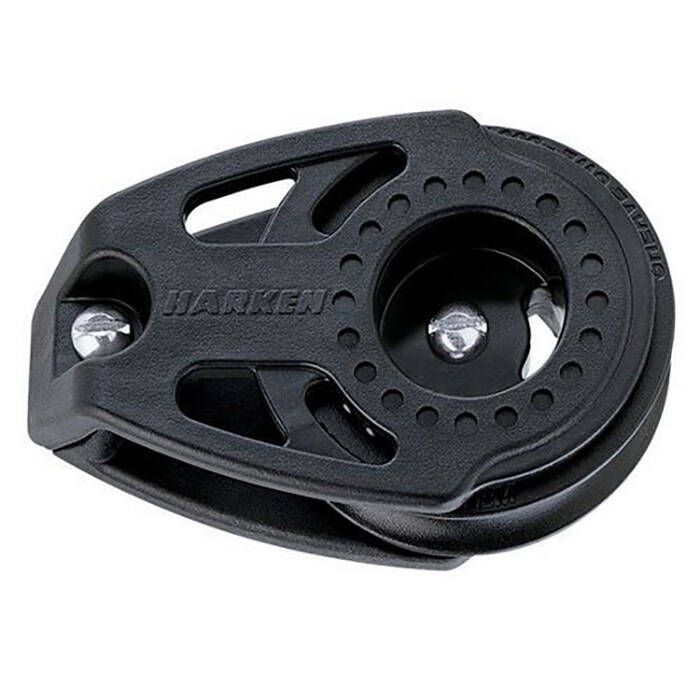
Harken - Bloc de Joue Carbo Air - 40 mm (1 9/16") - 2644
52,70 $ -

Schaefer - Poulie Pivotante Verticale Série 5 - 505-62
260,02 $ -
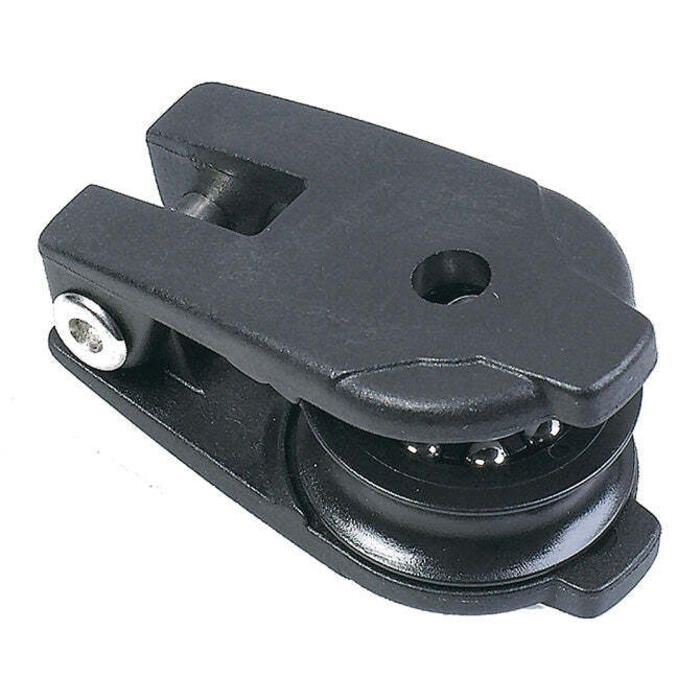
Lewmar - Poulie Ouvrante/Tweeker - 27 mm (1 1/16") - 29900240
48,55 $ -
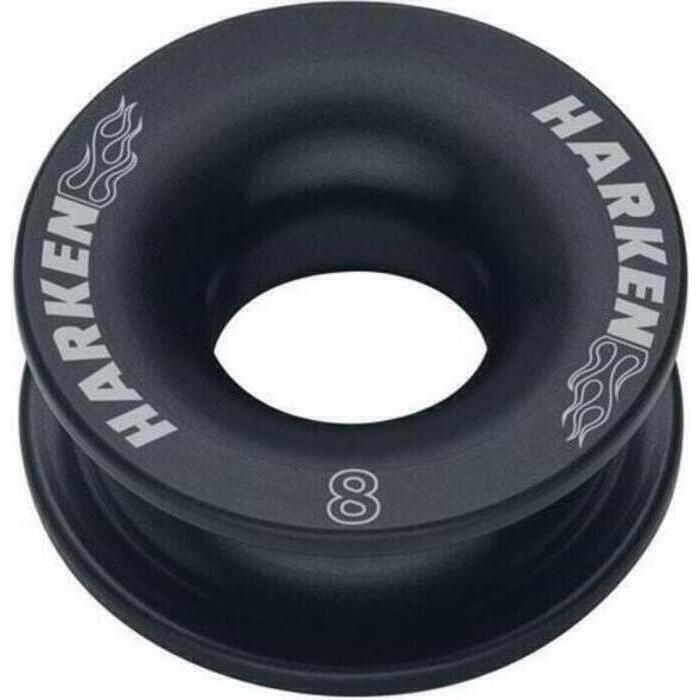
Harken - Anneau de Guidage
23,09 $ - 56,93 $ -

Harken - Micro Poulie de Joue - 22 mm (7/8") - 233
28,73 $ -

Harken - Poulie Carbo Air - 29 mm (1 1/8") - 340
42,83 $ -

Ronstan - Poulie Série 40 - 40 mm (1 9/16") - RF41100
35,78 $ -
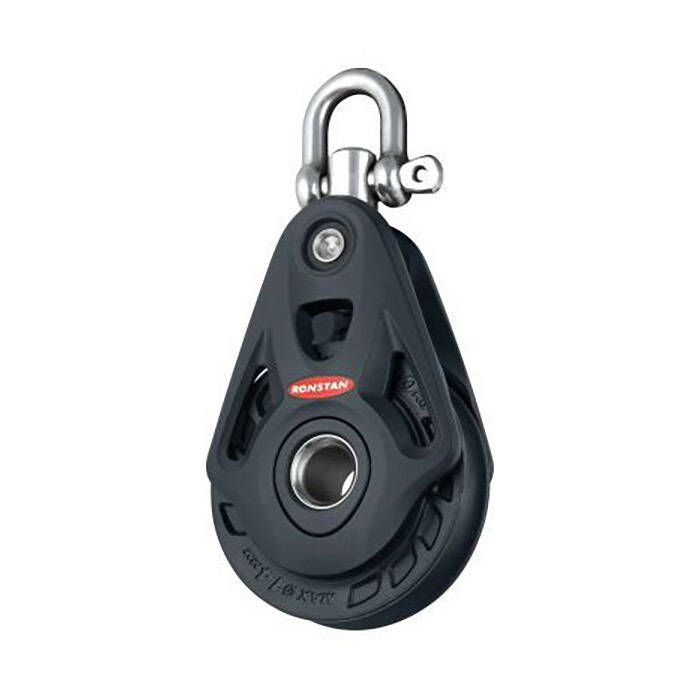
Ronstan - Poulie Centrale Série 75 - 75 mm (3") - RF74100
213,27 $ -

Ronstan - Poulie Violon Série 50 - RF51500
95,51 $
About Poulies
Marine Blocks: Buyer’s Guide
Introduction
For avid sailors and boating enthusiasts, selecting the right marine blocks is crucial for a seamless and safe sailing experience. Marine blocks play an essential role in the efficient and effective operation of a boat's rigging system. This guide is designed to help you understand the nuances of marine blocks and make an informed decision when purchasing them.
Section 1: What Are Marine Blocks?
Marine blocks are pulleys used in the rigging of boats and ships. They facilitate the changing of direction and point of application of a force applied to a rope. In simpler terms, they are used to lift heavy loads, adjust sails, and aid in maneuvering the boat.
Types of Marine Blocks
- Single Blocks: Used for basic applications, these have one wheel and one sheave.
- Double Blocks: With two sheaves, they offer more mechanical advantage.
- Swivel Blocks: These can rotate to prevent rope twisting.
- Fiddle Blocks: Combine different sizes of sheaves in one block for versatile applications.
Section 2: Factors to Consider When Buying Marine Blocks
Material and Durability
Marine blocks are typically made from stainless steel or composite materials. The choice depends on the sailing conditions and the required strength-to-weight ratio.
Load Capacity and Size
Consider the maximum load the block will handle and ensure it matches your requirements. The size of the block should correspond with the thickness and strength of the ropes used.
Ease of Use and Maintenance
Look for blocks that are easy to install and maintain. Blocks with ball bearings offer smoother operation but may require more maintenance than plain bearing blocks.
Compatibility
Ensure the blocks are compatible with your boat’s rigging system and the type of sailing you do.
Section 3: Top Brands and Their Offerings
Harken Blocks
Known for high-quality, durable marine blocks. They offer a wide range of blocks for various sailing needs.
Lewmar Blocks
Offers a variety of blocks that balance performance and price, suitable for both casual and competitive sailors.
Ronstan Blocks
Famous for innovative designs, Ronstan’s blocks are popular among those looking for high-performance gear.
Section 4: Maintenance and Care for Marine Blocks
Regular maintenance includes cleaning, inspecting for wear and tear, and lubrication. Always follow the manufacturer’s guidelines for care and maintenance to ensure longevity and optimal performance.
Conclusion
Choosing the right marine block involves understanding your sailing needs, the types of blocks available, and the best brands in the market. With this guide, you are now equipped to make an informed decision that enhances your boating experience.
FAQs
Q: Can I use any block for any type of sailing?
A: No, it's important to choose a block based on the specific needs of your sailing activity.
Q: How often should I replace my marine blocks?
A: It depends on the usage and maintenance. Regular inspection will help you determine when a replacement is needed.